About the Author
Des Wallace
Author · Photographer · Musician · Creative Director · New York City
Taste & Discipline
Taste is not decoration here.
Taste is not decoration here. It is discipline — the way a life, a room, a sentence, a photograph, and a legacy are arranged.
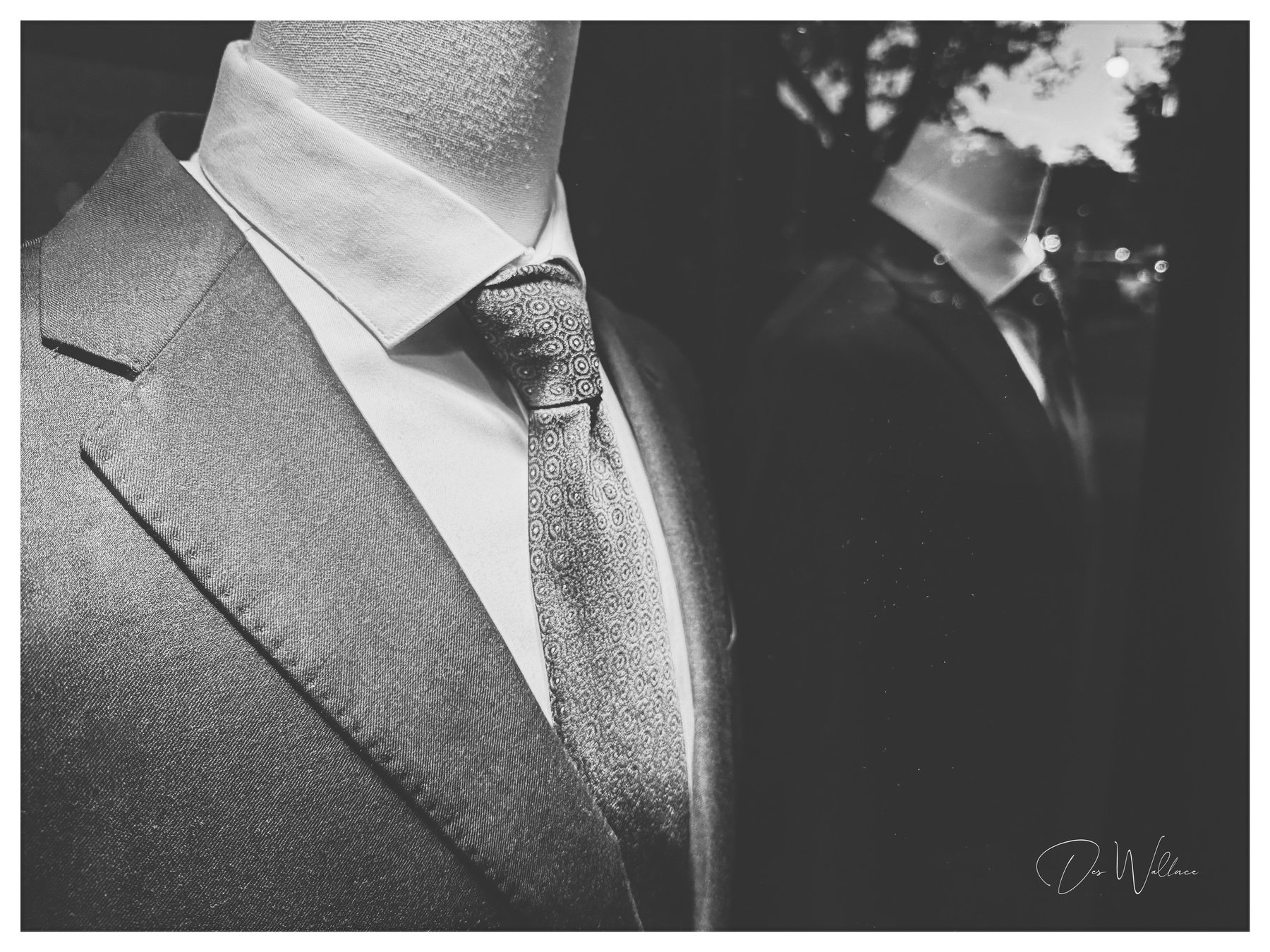
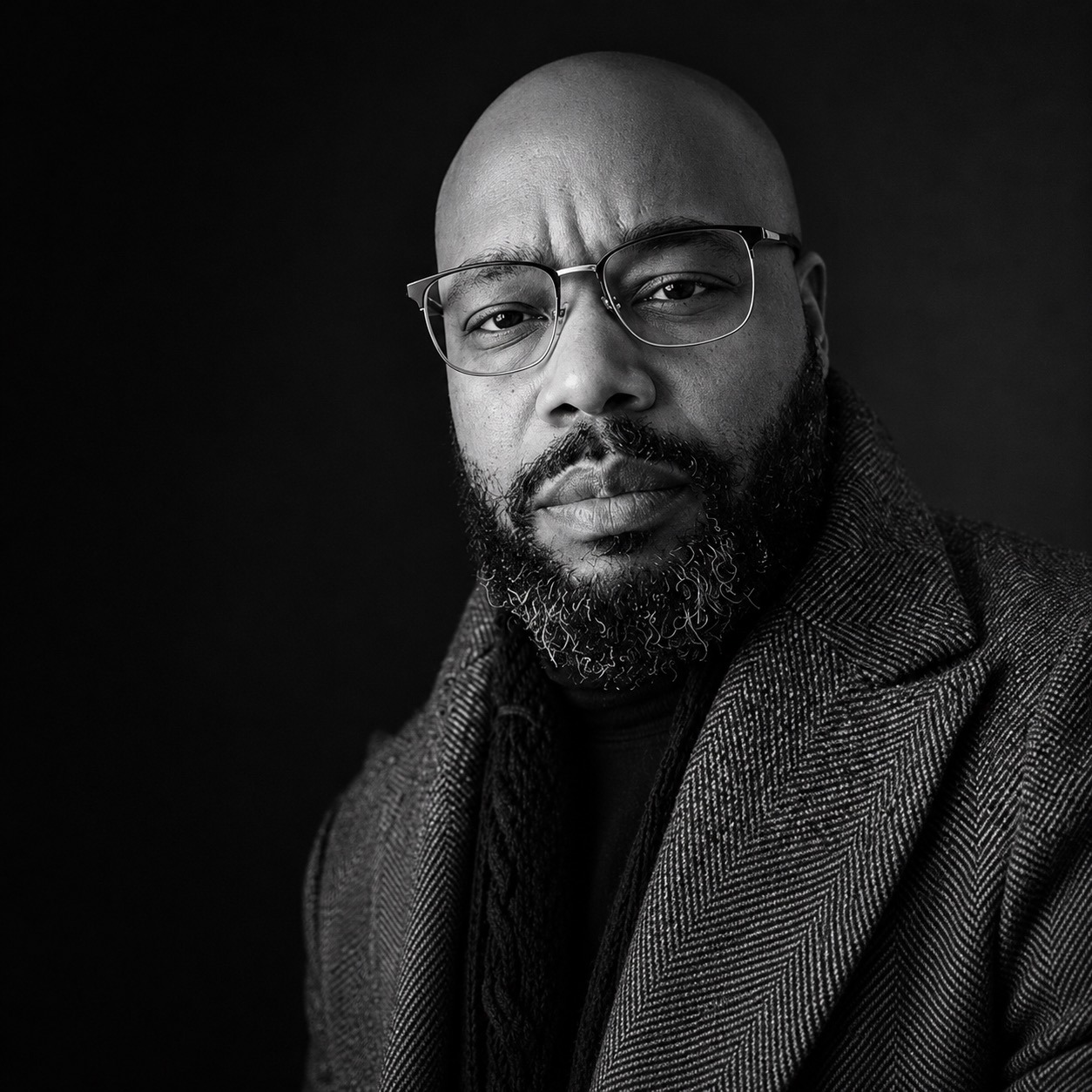 Des Wallace — New York City
Quick Facts
Biography
Lived experience.
Analytical depth.
Visual restraint.
Before he had words for it, Des Wallace had questions. Growing up in New York City — in neighborhoods where the distance between who you were expected to become and who you actually were got measured in silence and consequence — he started writing them down. Not to answer them. To make them stay still long enough to be looked at.
That practice became nine books.
Wallace writes about the architecture of modern life: what relationships actually cost, what manhood actually demands of the men inside it, how power moves through systems most people can feel but cannot name. He doesn't moralize. He observes — with the analytical distance that only comes from having stood on both sides of the experiences he's documenting. His voice is confessional without being therapeutic, precise without being cold, and always refusing the comfort of the easy conclusion.
His photography extends the same method into light. Reflections in Contrast — a 191-page fine art monograph across three continents — is not a travel document and not a street photography project. It is a record of what remains when ceremony ends: the geometry of empty spaces, the silence that holds a shape after the crowd clears, the quality of light falling on structures built to outlast whoever needed them. Six movements. Same eye. Different register.
He is also a recording artist — six albums that trace the interior landscape his prose inhabits from the outside. His essays run in the Ghostlight Letter, delivered directly to readers who want to go somewhere the algorithm doesn't point.
Des Wallace lives and works in New York City. He builds through Analytics Holdings LLC.
The Work
What Des Wallace Writes About
Eight thematic pillars that run through every book, photograph, and essay in the catalog.
01
Relationship Psychology
The internal logic of love, power, and how two people navigate what they need from each other — examined without sentimentality.
02
Masculinity & Emotional Labor
What men are taught to suppress, perform, and carry. The emotional architecture of manhood in urban life and beyond.
03
Urban Identity
Cities as psychological environments. How streets, institutions, and neighborhoods shape who people become — and who they can't become.
04
Power & Institutions
How power operates — in relationships, communities, legal systems, and culture. What it costs to live inside systems that weren't built for you.
05
Fatherhood & Legacy
The question of what we pass forward — in memory, in accountability, in the stories we tell about why we left and why we stayed.
06
Cultural Analysis
Reading popular culture, social behavior, and collective psychology as texts worth serious intellectual attention.
07
Fine Art Photography
Images as arguments. Light and shadow, ceremony and stillness, as registers of what words can't quite hold.
08
Spiritual Reflection & Survival
What it means to find meaning — or refuse to — in the face of loss, systems, failure, and the question of what endures.
Visual Language
How Wallace Sees
The visual work is a parallel language — asking different questions of the same world the prose inhabits.
Principle
Contrast
Light against shadow. Movement against stillness. Geometry against the organic. Contrast is not aesthetic preference — it is the structure of how perception actually works.
Principle
Silence
The images that hold the most are the ones with nothing happening in the obvious sense. What remains when the crowd clears, the ceremony ends, the light shifts — that is the subject.
Principle
Geometry
Urban environments are engineered decisions about who moves through space and how. The photograph records the architecture of those decisions.
Principle
Truth
A photograph is an argument — a claim that this moment, this angle, this light is worth looking at. Wallace makes that claim deliberately.
I don't write to comfort. I write to make the uncomfortable thing sit still long enough to be examined. — Des Wallace
Stay Connected
Join the readers who go deeper.
The Ghostlight Letter delivers original essays, behind-the-book reflections, and first access to new work — directly to your inbox.